

Couples Therapy
in Denver and Colorado Springs
Are you two having trouble connecting and truly getting through to each other?

Are you two having trouble connecting and truly getting through to each other?
Is conflict creating a gap between you two?
Do you rarely connect and share intimacy with each other?
Relationships can be one of our biggest sources of strength and vitality, but they can also be one of our biggest drains, especially when we're going through a stressful life and unable to connect and truly get through to our partner.
Often, negative patterns and cycles of disconnection build up. Then we start to see our partner not as a lover, but as the opposite.
Then we engage with that partner through that lens, and it continues the cycle. At Real Therapist Group, we help you break out of that negative pattern.
Patterns from the Past
We help you understand where certain reflexes that keep you stuck in the cycle may come from.
Was something modeled growing up, or does a reflex stem from self-protection?
As in individual therapy, it's important to understand past patterns within the context of the relationship.
Then the question is: what are we going to do about it? What can we do moving forward to make sure we don't stay in the patterns that keep us stuck?
Learning to Repair
Conflict is a part of relationships, and our work is to spend less time there and reduce the intensity of the conflict. But when we get there, how can we repair afterward to rebuild the connection?
We understand the importance of repair and will help you do that. However, one of the biggest impediments to repair is our ego getting in the way, because we think we don't need to repair or apologize because we're right and our partner's wrong. Maybe you can relate...
When we're able to repair, it's important to be intentional about connection: appreciate our partner, appreciate what we're getting, and notice when our partner does something we like. John Gottman says that for every one negative interaction, we need five positives, so it's very important for couples to cultivate this as well.
Cultivating Connection
It's also important for couples to understand what makes each other feel loved, appreciated, and cared for. What makes you feel that way, and can you help your partner come through for you?
Have any questions? Send us a message!
Every Couple Gets Disconnected At Times

Life gets busy. There’s work, kids, bills, and everything that needs to get done. Sometimes, our relationship gets whatever energy we have left. And some days, that’s not much.
You may still work well together and get through the day, but when was the last time you enjoyed each other? Or talked about anything other than what needs to happen tomorrow?
Other times, the disconnection is harder to ignore. You keep having the same argument, and you both leave feeling misunderstood. Maybe you’ve stopped bringing things up because you already know how the conversation will go.
Whatever brings you here, you don’t have to wait until things get worse to seek help.
How Do We Keep Ending Up Here?
Often, couples can tell us exactly what their partner does that contributes to the problem. Understanding our own role can be a little harder. That’s true for most of us.
For example, one partner raises a concern. The other hears criticism and starts defending themselves. The first partner feels dismissed and pushes harder. The other shuts down.
Now you’re arguing about how you argue, and the original concern never gets addressed. Maybe you can relate.
In couples therapy, we help you slow this down. What happens just before things go sideways? What are you feeling, and how do you respond? How does your response affect what happens next?
Once you recognize the pattern, you have a better chance to respond differently.
Couples Therapy Can Help You Find Your Way Back to Each Other
IIt’s hard to feel close when you’re bracing for the next argument or still carrying hurt from the last one.

Our work is to help you understand what keeps recurring between you and to practice something different. That might mean speaking up sooner, listening without immediately defending yourself, or pausing before saying something you’ll regret.
It also means being willing to examine your impact. You may not have intended to hurt your partner, but can you understand why it hurt? And can you take responsibility for that?
What You Can Expect In Couples Therapy
During your first session, your therapist will get to know both of you. What brought you in? What have you already tried? What do you hope to change?
We also want to understand what works for you. Even when things feel difficult, we may be able to build on your strengths.
Together, we’ll identify goals and start addressing the patterns that are getting in your way. Depending on your relationship, that may include:
Bringing up concerns without attacking each other.
Listening to understand before preparing your response.
Recognizing when you’re getting overwhelmed and knowing how to pause.
Taking responsibility and making meaningful repairs.
Talking more openly about affection, intimacy, and sex.
Making time for connection outside of therapy.
Your therapist will help guide the conversation when you get stuck. When a familiar pattern shows up in session, we can work with it together right then.
Practicing Something Different at Home
The work continues between appointments.
You might practice checking in without distractions, making a clear request, or acknowledging something your partner did that you appreciated.
These things can sound simple, but doing them when you’re tired, frustrated, or convinced you’re right takes practice.
You will probably fall back into old patterns sometimes. When that happens, can you notice it sooner? Can you come back and repair the damage? Those are meaningful changes to build on.
But You May Still Have Questions About Couples Therapy…
Will the therapist take sides?
Our job is to understand both of your experiences and help you work toward a healthier relationship.
That includes being direct about behavior that causes hurt. Each of you needs room to be heard, and each of you may have things to take responsibility for. Those responsibilities may look different for each partner.
What if we just argue during the session?
You don’t have to arrive knowing how to have a productive conversation. Helping you do so is part of our work.
If things get heated, your therapist can slow the conversation, help you understand what happened, and guide you toward a different response.
How long does couples therapy take?
That depends on what brings you in, how long the patterns have persisted, and what you both want to work toward.
Early on, we’ll discuss your goals and a plan to meet. As we go, we’ll check in on what’s changing at home and where you still need support.

Take the Next Step Toward a More Connected Relationship
Schedule a free consultation with one of our therapists to talk about what’s happening and learn how we help.
Therapists That Provide Couples Therapy

Dave is available in Denver during the week.
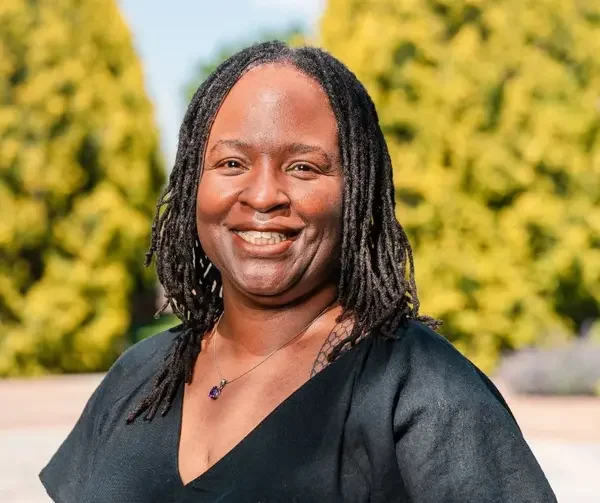
Dee is available in Colorado Springs during the week and in the evenings.

Jude is available in Denver on Thursdays and online during the week.

Is available in Denver on Thursday, Friday, Saturday, and Sunday.

Jason is available in Denver during the week and in Colorado Springs on Tuesdays and some weekday mornings.
Recent Blog Posts


Couple Therapy in Colorado Springs, CO
5585 Erindale Dr Ste 207, Colorado Springs, CO 80918